
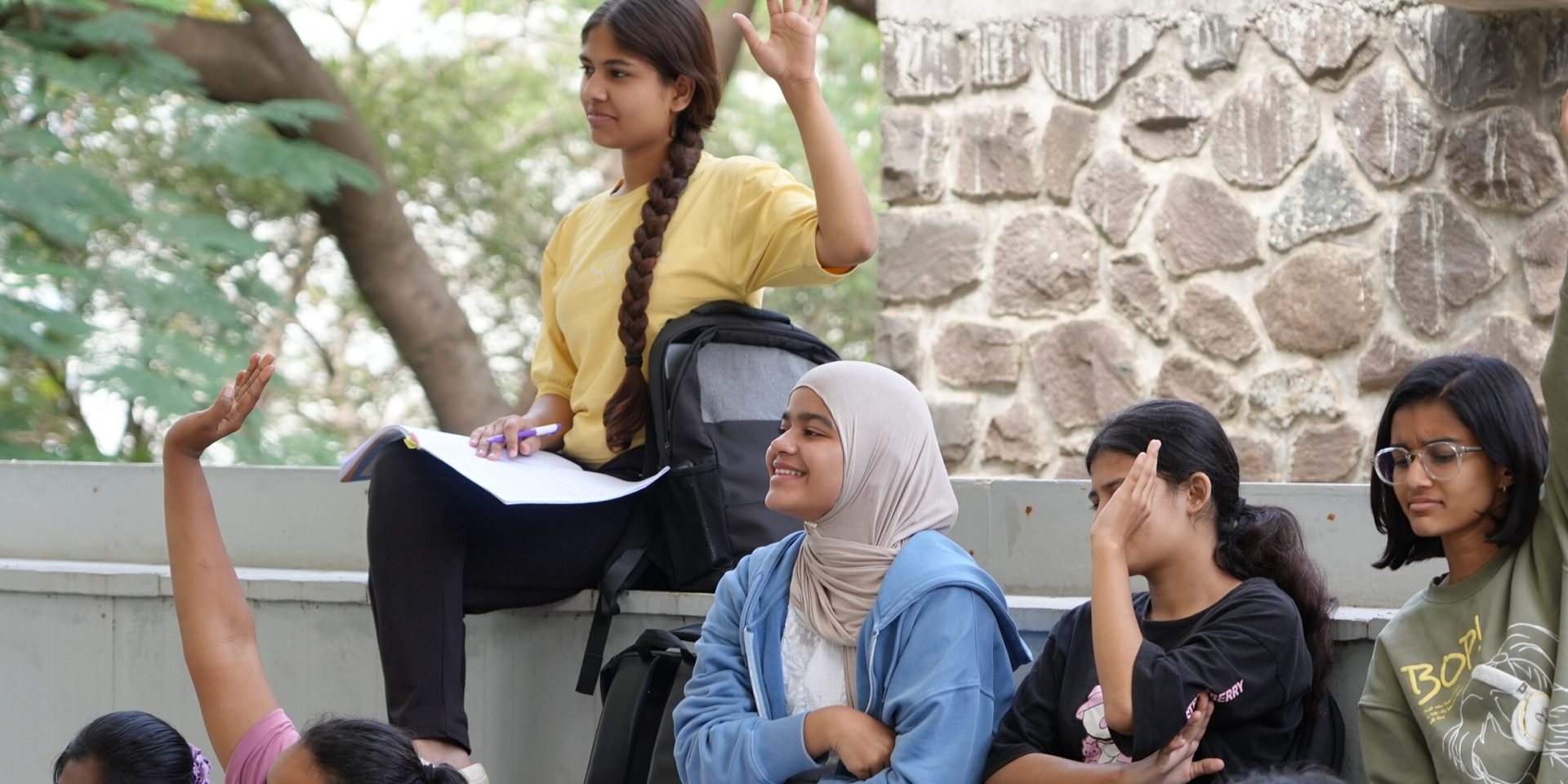
It is one of my favorite questions. I will walk into a room of senior executives and ask, “Is there a teacher who has had a transformative impact on your life? ”. Typically, a majority of executives answer yes to that question. I follow it up with more detailed questions about the teacher and how and when this impact happened. A set of consistent patterns emerge.
transformative impact of a teacher
A lot of this impact happens in personal conversations beyond the classroom. The classroom creates the comfort and curiosity for the student to ask questions that matter to them, and these lead to conversations that create deep learning for students.
Quite frequently, these conversations may start around a subject or issue related to the classroom, but extend into matters of life, values and choices that matter.
It begins with a teacher who believes in the student, and conveys that belief even when the student is struggling with the subject matter, or with other things. In letter and/or in spirit, the line “They believed in me before I believed in myself” keeps coming up in these reflections.
Finally, the best teachers are passionate about their subject, and have the ability to make it relatable. The use of stories and examples is a common theme. Passion in the classroom is contagious, and many career choices have been impacted by the influence of a single teacher.
care at Nayanta
These insights are at the heart of Nayanta’s concept of care and personalised learning. We believe that we should not take a group of talented students, and then spend the better part of four years ranking them on a single metric like CGPA. Rather, we should believe that there is magic in every student. We must make and hold positive assumptions about every student. We must then get to know them as individuals-their journey, their challenges, and their strengths and passions.
To realise every student’s potential, we need to curate personalised learning journeys and this needs conscious design. This can only happen when we as an institute know our students as individuals. At Nayanta, this starts at the very top. All our leaders take a special effort to know students individually and be genuinely approachable to every student.
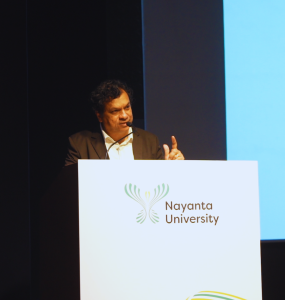
Dr Ranjan Banerjee addressing Nayanta’s founding UG class and their parents about the culture of ‘care’
building the culture
As we grow, we are well aware that a culture of care and personalised learning cannot be achieved only by demonstrated care at the top. (It is a start and an important one). We must hire faculty and staff who believe in care, and then empower them. This is core to Nayanta. For a Nayanta faculty member, spending time with students outside the classroom is not an addendum to the job-it is a critical and deeply enjoyable aspect of the job.
Finally, to create a culture of care, it may not be enough to recruit individuals with the right values and skills. They must feel empowered and believe in the institution. For this, we need to apply the same principles of care to our team members. If our colleagues do not feel cared for, it is only a matter of time before the student experience is impacted. A culture of care requires sustained conviction.
We are fortunate to be in education. It offers an opportunity to touch lives on a day to day basis. I know of no greater satisfaction. To make it real, we must begin with care.